Over 68% of consumers now seek nature-inspired anti-aging solutions. They want ingredients that combine both external and whole-body results. The shift is fueling the renewed popularity of interest in hydrolyzed pearl powder. This material brings together ancient traditions with contemporary formulation science, offering a traditional-yet-modern beauty ingredient. The ingredient is used to address visible age signs, lackluster tone, and delicate skin in a versatile way.
Hydrolyzed Pearl Powder
Water Soluble Pearl Powder
Water Soluble Pearl Powder
This article examines what Hydrolyzed Pearl Powder is and how it supports beauty routines for the skin barrier and broader wellbeing. This guide also shows how to compare reliable and tested options. We also discuss why nano and hydrolyzed forms enhance absorption and preserve nutrients. The article also features MIGU Pearl Powder Manufacture and its Deya breeding base. They offer carefully sourced pearl and shell materials, built on over 25 years of experience.
For those in the United States interested in natural skincare, this article provides useful guidance. You will find guidance on skin-applied use, internal use, and how to compare different pearl-based ingredients. These include nano pearl powder, fine-textured pearl powder, and water soluble pearl powder.
Essential Takeaways
- Hydrolyzed Pearl Powder blends traditional use with modern processing for improved uptake.
- Pearl powder beauty benefits include anti-aging, tone-enhancing, and comforting effects for the complexion.
- Pearl powder in skincare can be included in formulas or taken orally depending on intended use.
- MIGU PEARL POWDER MANUFACTURE and the Deya breeding base offer sourcing transparency and production experience.
- Consider hydrolyzed, nano, or water-friendly forms for higher bioavailability.
How Hydrolyzed Pearl Powder Is Made
This ingredient is a modified form of pearl material. It is created to support solubility and absorption potential for skin and supplement applications. It comes in various forms, including nano pearl powder and ultrafine pearl powder, it caters to different formulation goals. Applications extend from skincare treatments to supplements.
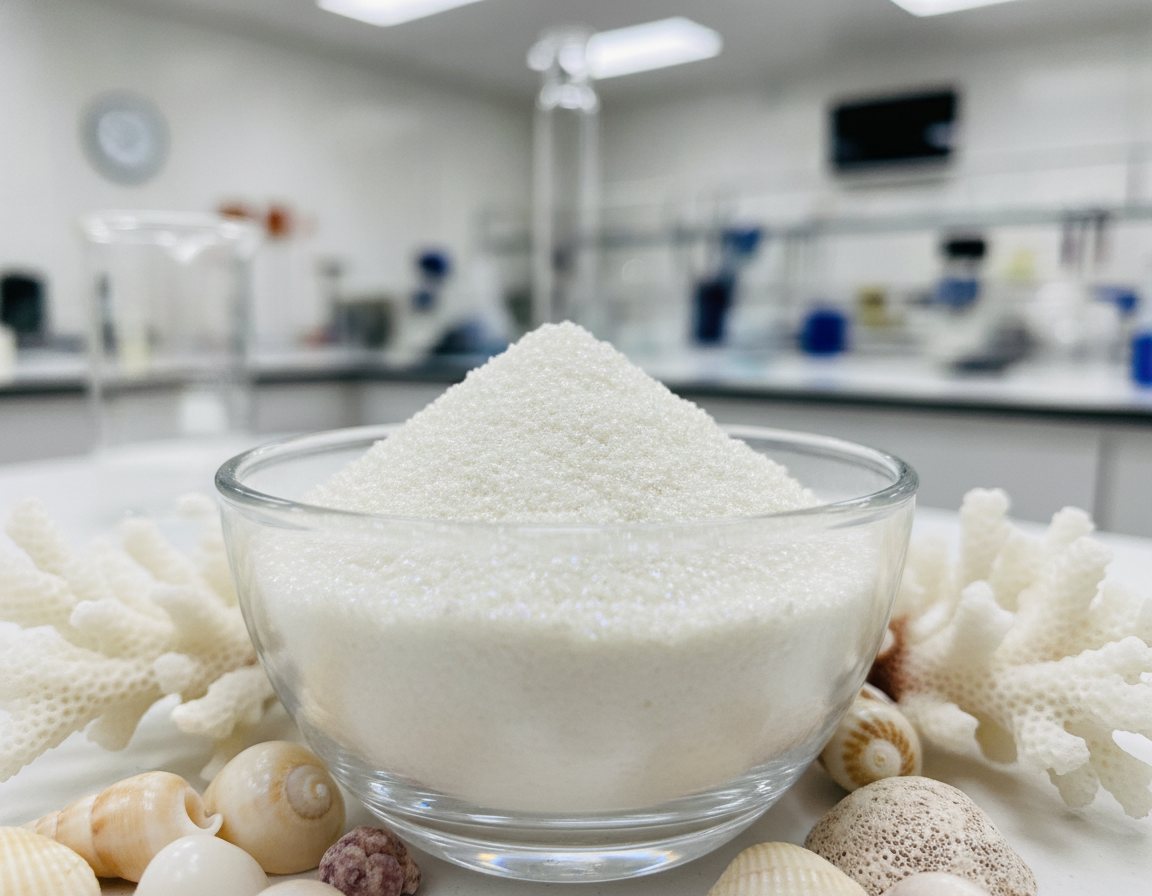
At MIGU PEARL POWDER MANUFACTURE, the company manages a large pearl supply chain. Production starts at the Deya breeding base, using over 25 years of experience. The company cultivates pearls in multiple Chinese provinces including Anhui, Hunan, Hubei, and Jiangxi. That structure supports a reliable supply of raw materials. Its combined annual output of pearls, shells, and related products is nearly 5,000 tons, supporting industrial supply.
The factory employs an ultra-low temperature process. The process breaks down pearls into extremely fine and nano-sized grades without chemical degradation. One 6 mm pearl may be reduced into approximately 216 trillion particles. This produces stable nano pearl powder in the about 40–100 nm range and even finer grades for improved uptake. Cold processing protects amino acids and trace minerals, enhancing the stability of water soluble pearl powder.
Product control is a major focus, handled through an company R&D facility. The laboratory uses high-level instruments for quality verification. The equipment may include HPLC, UPLC, GC-MS, ICP-MS, HPTLC, and microbiology suites. The systems help verify the finished Hydrolyzed Pearl Powder and superfine pearl powder meet demanding quality requirements. They are compliant with cosmetic, food, and pharmaceutical requirements in various markets.
Product grades vary based on end purpose. Nano-grade pearl powder suits quick uptake and skin-focused delivery. Superfine pearl powder is suitable for rich creams and facial masks. Water soluble pearl powder is perfect for aqueous serums and beverages. Clear labeling, batch testing, and traceability from Deya farm to MIGU Pearl Powder Manufacture help ensure safe consistency and safe supply for manufacturers and formulators.
How Pearl Powder Supports Skin Beauty
For centuries, pearl powder has served as a valued ingredient in traditional beauty and contemporary skincare. It contains skin-supporting amino acids, beneficial minerals, and naturally occurring bioactives. This profile can contribute to barrier support. Brands use it for daily glow routines and targeted anti-aging treatments.
Anti-Aging Skin Support
Pearl powder contains raw materials for collagen support and skin renewal. Superfine and nano-grade options ensure better dispersion, helping with more consistent delivery. That may enhance age-supportive results, helping lessen fine lines and encouraging skin elasticity.
Brightening And Tone-Evening
Its pearl-derived actives boost a fresher-looking glow and visible brightness. Water soluble pearl powder dissolves smoothly in cream bases, gels, and serums, ensuring an more balanced appearance. Formulators often use it in brightening and long-term tone-enhancing products.
Skin Comfort And Repair Support
Traditional use values pearl powder for calming irritated-looking skin and helps with skin recovery. The fine texture plus retained bioactives are helpful in delicate skin types. Used in masks or creams, it supports a calmer appearance and encourages recovery.
Practical Notes On Topical Formats
Water soluble and superfine pearl powder grades serve different purposes. Facial masks work well with superfine grades mixed with natural ingredients like honey or aloe. By contrast, serums and creams usually benefit from water soluble forms to maintain clarity. Choosing the right grade affects texture, performance, and the beauty benefits you experience.
Pearl Powder Health Benefits And Historical Uses
Traditional wellness systems have treated pearl powder as a bridge between ancient remedies and modern supplements. This section delves into its supplement-style use, old-world wellness applications, how nano processing may preserve nutrients, and safe-use guidelines for those considering pearl powder.
Pearl Powder As A Supplement
Across cultures, oral use of pearl powder is a longstanding habit for wellness and complexion support. Modern pearl powder supplements are available in various forms, including capsules, loose powder for beverages, and under-the-tongue formats. Traditional doses range from 0.3 to 0.6 g daily, included for wellness support.
Inside-out beauty routines are designed to connect wellness and skin appearance. A simple starting method is capsules or a measured scoop in non-acidic beverages. Be sure to read the product label for strength and respect the manufacturer guidance.
Traditional And Medicinal Shell Powder Uses
Traditional medical systems have used medicinal shell powder for stress-like symptoms, uneasy heartbeat sensations, and sleep issues in both grown users and younger patients. Traditional Chinese medicine practitioners and herbalists have incorporated pearl or shell powders into formulas. Such formulas traditionally target traditional heart-spirit concerns and restlessness.
Folk practices continue, with practitioners blending powdered shell to relaxation-focused formulas. Scientific interpretations are not uniform, so individuals with chronic issues should check with a healthcare professional before using these products.
Key Nutrients In Pearl Material
Pearl material contains a complex mix of skin-supporting amino acids, calcium compounds, and trace minerals. Analysis reveals tiny peptide fractions and active natural fractions that can play a role in skin and systemic functions. MIGU’s ultra-low temperature nano method aims to protect these nutrients.
Production methods targeting particles of roughly 40–100 nm support dispersion and absorption. This process supports claims about the benefits of pearl powder by retaining sensitive components and creating a smaller-particle product with improved usability.
Safety And Recommended Intake
Testing by product grade is essential for oral products. Quality-focused manufacturers complete heavy-metal testing, pesticide residue checks, and microbiology checks to support compliance. MIGU’s quality protocols feature these analytics to reduce contamination concerns.
Historical intake ranges offer a useful benchmark: 0.3–0.6 g daily for traditional wellness support. Today’s formulas may list different amounts based on concentration and formulation. Pregnant or nursing individuals, and those with chronic illness or on regular medications, should seek advice from a healthcare professional before using pearl powder internally.
| Subject | Historical Practice | Modern Guidance |
|---|---|---|
| Form | Loose powder used sublingually or blended into teas | Capsules, measured powder sachets, sublingual preparations |
| Typical historical dose | Roughly 0.3–0.6 g daily | Follow manufacturer guidance; serving sizes differ by product |
| Common uses | Relaxation support and heart-mind calming traditions | Skin-health support and mineral-focused supplementation |
| Important components | Calcium compounds, amino acids, and trace minerals | Similar nutrients, with nano processing potentially supporting retention and uptake |
| Safety screening | Older sourcing and preparation approaches | Heavy metals, pesticide residue, microbial screening, content assays |
Using Hydrolyzed Pearl Powder Safely And Effectively
Hydrolyzed pearl powder is multi-use for topical care and internal wellness. This guide provides tips for topical blends, supplement-style routines, formula pairings, and proper storage. The advice provides simple practical notes to begin safely and avoid common mistakes.
In external applications, pair the powder’s grade and dispersibility to your product type. Choose nano or superfine pearl powder in paste treatments to reduce roughness. For clear serums and creams, choose water-dispersible pearl material for clean dispersion and a uniform feel.
Begin with small amounts. Mix 0.5–2% by weight into cream bases, gels, or lotions and test on a small skin patch. In face masks, blend one to three teaspoons with aloe, honey, or yogurt to create a spreadable paste. If redness, stinging, or irritation occurs, discontinue use and consult a dermatologist.
When taking pearl powder orally, use label directions and traditional ranges as references. Older dosage guidance lists about 0.3 to 0.6 grams per dose. Modern products vary, so review the supplier’s directions and avoid exceeding recommended amounts without medical advice.
Placing the powder under the tongue can support faster uptake. Adding pearl powder to mild warm drinks is another traditional option. Do not use very hot drinks that could denature sensitive components. If you take medications or supplements should consult a healthcare professional before adding pearl powder to your regimen.
Pearl powder can combine nicely with many popular cosmetic ingredients. Pair it with vitamin C for tone-enhancing routines and hydrating hyaluronic acid for moisture support. Pair peptide serums and nano-grade pearl powder to enhance formula elegance in lightweight formulas.
Take a gentle approach when using near potent treatments. If you use retinoids, acids, or strong exfoliating products, apply pearl-containing products on alternate nights or use a mild layering strategy to help protect skin comfort. Choose water soluble pearl powder for serum formulas that include ascorbic acid or vitamin C derivatives to support stable-looking dispersion.
Storage affects potency. Keep packaging closed in a cool, dry place away from strong light. Many powders remain usable for one to two years depending on processing and additives. Review the product label for best-use dates and discard if it develops an unusual odor or discoloration.
Choose the grade that fits the application. Choose nano pearl powder for formulas that need quick uptake and a cleaner finish. Select superfine grades for rinse-off masks, scrubs, and paste products where tactile presence is acceptable. Hydrolyzed, water-dispersible pearl materials work well in liquid and emulsion systems that need consistent suspension.
| Application | Recommended Grade | Usual Amount | Notes |
|---|---|---|---|
| Water-based serums | Water soluble pearl powder, hydrolyzed pearl powder | About 0.5–2% | Helps maintain clear blending; pair with brightening or hydrating actives |
| Rinse-off masks | Superfine pearl powder | 1–5% or 1–3 tsp per mask | Use hydrating carriers to soften texture and improve spread |
| Oral supplementation | Small-particle or hydrolyzed pearl powder | 0.3–0.6 g per serving, follow label | Sublingual use or mixed into warm, non-acidic drinks; consult healthcare provider |
| Fast absorption topical blends | Small-particle pearl powder | 0.5–2% | Ideal for elegant formulas where a smooth finish matters |
Choosing Quality Pearl Powder Products
Buying good pearl powder requires practical checkpoints. Look for labels that specify hydrolyzed pearl powder, nano-grade pearl powder, superfine pearl powder, or water soluble pearl powder. Such terms help explain water compatibility, texture, and application. Select the format that fits your routine: nano grades for uptake, superfine for masks, and water soluble for serums and beverages.
Trusted sourcing makes a difference. Choose manufacturers with a documented record and trackable breeding bases. MIGU PEARL POWDER MANUFACTURE is supported by a lengthy history and operations tied to the Deya base. Manufacturers that disclose production methods, annual output, and breeding sites instills more confidence than those with generic marketing claims.
Quality claims need testing support. Request or review Certificates of Analysis that include heavy metals screening, pesticide checks, and microbiology results. Testing performed with ICP-MS, HPLC, or GC-MS give clearer proof of quality and batch reliability.
Deciding where to buy pearl powder depends on your needs. When buying in commercial volume, buying directly from a producer often offers stronger pricing and easier access to documentation. When buying one container at a time, choose reputable online shops or recognized cosmetic ingredient suppliers that publish test data and full ingredient lists.
Use this checklist when comparing options:
- Label clarity: the grade should be clearly stated, especially hydrolyzed or water soluble forms.
- Particle details: nano pearl powder should include size ranges.
- Testing proof: heavy metals, microbes, and pesticide residues should be checked.
- Supplier transparency: breeding sites, processing methods, and output should be disclosed.
- Use guidance: labels should state topical or oral use plus serving directions.
| Selection Factor | What To Look For | Why It Matters |
|---|---|---|
| Pearl Powder Type | Hydrolyzed, nano, superfine, or water soluble pearl powder | Defines solubility, skin feel, and absorption for topical or oral use |
| Supplier | Traceable manufacturers such as MIGU PEARL POWDER MANUFACTURE with breeding bases | Proven supply chain lowers contamination risk and ensures consistent quality |
| Quality Testing | Documented lab testing for metals, purity, residues, and microbes | Supports safety, purity, and compliance needs |
| Buying Channel | Direct manufacturer, reputable retailers, established cosmetic suppliers | The right channel balances price, documentation, and convenience |
| Label Clarity | Transparent ingredient list, stated grade, and usage directions | Reduces confusion and helps users choose the right format |
Anyone searching for high-quality pearl powder should focus on clear origin details and documented CoAs. If you wonder where to buy pearl powder, start with suppliers that provide Certificates of Analysis or allow direct contact for documentation. This approach reduces risk and helps secure a product that matches your skincare or wellness needs without guesswork.
How Pearl Powder Types Compare
When selecting pearl powder, it’s essential to consider particle size, solubility, and traditional applications. The processing method significantly influences the product’s texture, blendability, and absorption when ingested. Here are practical comparisons to help with better product selection.
Particle Size And Absorption
Nano pearl powder often contains particles around 40 to 100 nm, is absorbed quickly through the skin and mucous membranes. Cold physical nano milling ensures the protection of amino acids and trace minerals. This method also minimizes clumping.
Compared with nano grades, superfine pearl powder, remains more on the skin surface. It’s ideal for masks that provide a tactile experience and mild polishing. Even so, it is less suited to fast internal uptake.
Key Functional Differences
Water soluble and hydrolyzed pearl powder types dissolve in liquids and serums. They blend seamlessly, brighten the skin, and support collagen pathways when used in topical formulas. Internal formulas with hydrolyzed pearl powder focus on enhanced digestion and absorption.
Medicinal shell powder is deeply rooted in traditional medicine for its tonic and calming associations. It’s used in traditional formulas and historical preparations where the whole-shell matrix and mineral profile are important to the desired formula purpose.
Common Use Cases
- Anti-aging skincare: nano or water soluble pearl powder works in creams and serums for resilience and collagen-focused support.
- Brightening and radiance: water soluble and nano powder in masks and light serums to boost microcirculation and even tone.
- Supplement use: pearl powder and medicinal shell powder may appear in traditional tonic preparations.
- Texture-focused products: superfine pearl powder works in masks, scrubs, and surface-action formulas.
Balancing Price And Quality
MIGU’s large scale and Deya breeding base reduce costs through bulk output and controlled sourcing. That can make advanced nano and hydrolyzed pearl powder grades more available than limited-output alternatives.
As you weigh cost against quality, it’s vital to compare CoAs, lab reports, and production details. High-quality, ultra-fine nano grades and rigorously tested hydrolyzed pearl powder may justify higher pricing. These reflect their documented purity and usability.
Conclusion
Hydrolyzed Pearl Powder, available in nano, ultrafine, and water-dispersible grades, supports many beauty and wellness uses for the complexion and broader wellness. Its age-supportive, brightening, and calming qualities are well-documented. Those advantages are strongest when sourced from transparent, thoroughly tested products.
As you compare the best pearl powder options, focus on suppliers with a track record of quality and testing. MIGU Pearl Powder Manufacture, supported by the Deya breeding base and modern nano-processing technology, ensures commercial-scale output plus strict lab screening. This method supports a tested natural skincare ingredient, reducing risks and improving outcomes.
A safe pearl powder routine requires respecting product instructions. It’s also essential to verify Certificates of Analysis for heavy metals, microbes, and residues and ask a healthcare provider before using supplements. Using search phrases such as hydrolyzed pearl powder, nano pearl powder, and superfine pearl powder can help find quality pearl powder options.